
Understand what comes next after an accident.
Clear information about accident types, injuries, insurance claims, available coverages, evidence, and practical next steps—so you can make informed decisions before speaking with an attorney.
Accident information, organized around real questions.
Find practical answers by state, accident type, injury, claim, or insurance coverage. Each guide is designed to explain what may matter and what information to preserve.
Accidents in California
State-focused guides to crashes, injuries, claims, evidence, and insurance questions.
Accidents in Texas
Texas-specific information about accident reporting, fault disputes, claims, and coverage.
Types of Accidents
Cars, trucks, motorcycles, pedestrians, bicycles, rideshare vehicles, workplaces, and unsafe property.
Injuries
Understand commonly reported injuries, warning signs, treatment documentation, and recovery questions.
Insurance Claims
Learn how liability, bodily-injury, property-damage, uninsured-motorist, and other claims may work.
Insurance Coverages
Plain-language explanations of liability, collision, medical payments, PIP, UM/UIM, and related coverage.
Explore the situation that brought you here.
Accident claims are rarely identical. The vehicles, location, evidence, insurance policies, and people involved can change what happens next.
Four priorities that can protect your health and your information.
Get safe and seek care
Move out of immediate danger when possible and obtain appropriate medical attention.
Report what happened
Contact the proper authority, employer, or property representative and request the report details.
Preserve evidence
Keep photographs, witness information, reports, repair records, bills, and insurance communications.
Understand before signing
Be cautious with recorded statements, releases, broad medical authorizations, or offers you do not understand.
Focus your research on where the accident happened.
Insurance language should not stand between you and an informed decision.
Our guides explain who may handle a claim, what information may be requested, why fault can be disputed, and how different coverages may interact.
- Bodily-injury liability
- Property damage
- Uninsured motorist
- Underinsured motorist
- Medical payments
- Personal injury protection
- Collision coverage
- Commercial policies
The paperwork, proof, and decisions behind an accident claim.
A claim can involve more than an accident report. Use these visual guides to organize the details that may affect medical care, insurance review, vehicle value, court deadlines, and settlement decisions.

Pain and daily-life changes
Keep a specific, honest record of symptoms, sleep, mobility, work, caregiving, prior conditions, and reasons for any gaps in care.
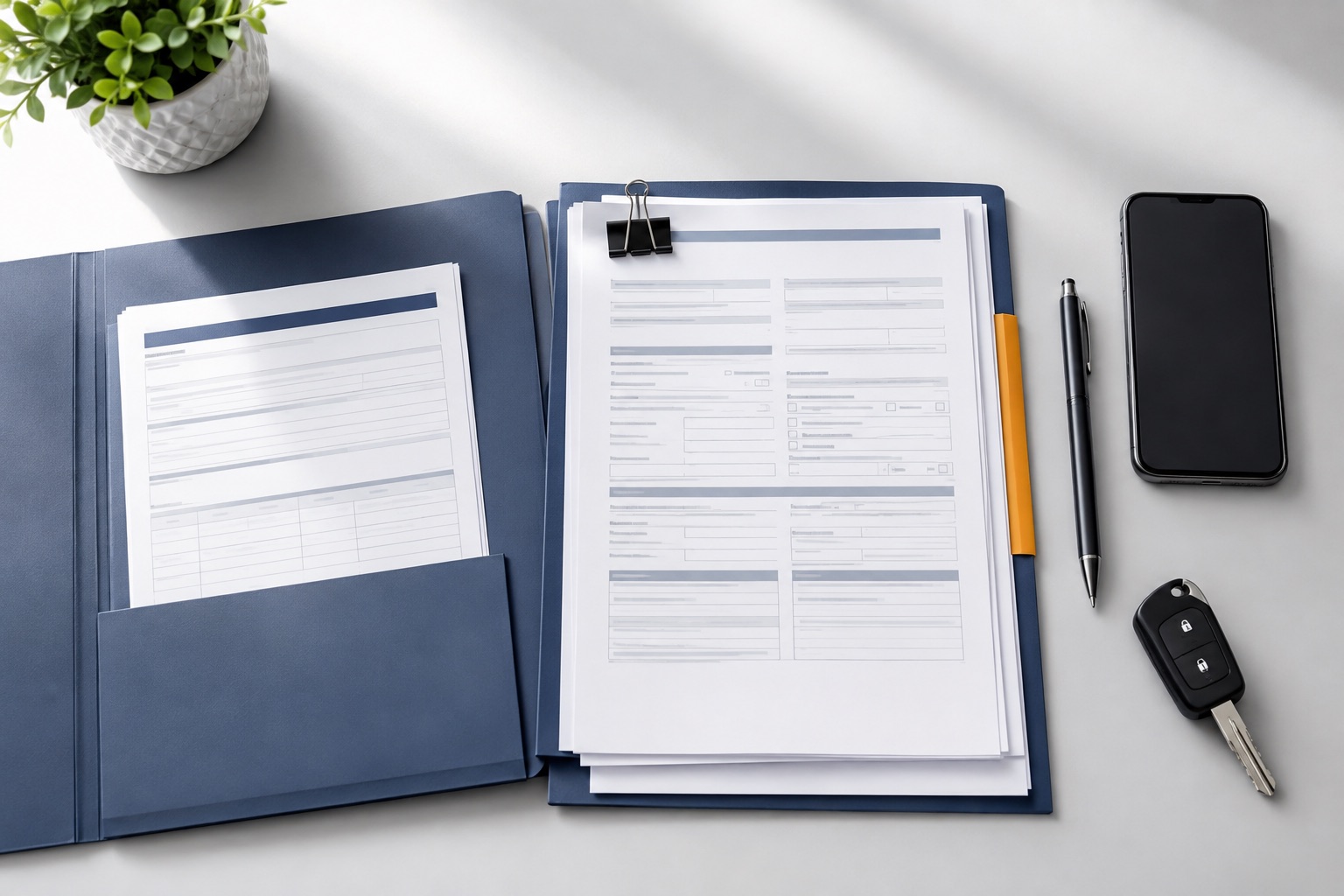
Insurance claim file
Organize policy details, claim numbers, adjuster contacts, reports, photos, estimates, bills, and written communications in one place.

Total-loss valuation
Review the valuation report, vehicle options, mileage, condition, comparable vehicles, taxes, fees, and any loan payoff before responding.

Court filings and deadlines
Keep served papers, hearing notices, deadlines, evidence, and exhibits organized. Rules differ by state and case, so confirm what applies.

Settlement documents
Before signing, identify the payment terms, release scope, medical bills or liens, costs, and questions that still need an answer.
Not sure which information applies to you?
Tell us what happened in a short, confidential intake. Your answers help a live agent understand the situation; they do not automatically approve, reject, or value a case.
Tell a live agent what happened.
This short checklist prepares the information needed for a human conversation. It does not make an automated legal decision.
The live-call and secure submission connection will use these questions without automatically labeling a matter as a “good” or “bad” case.
Return to the website